
Monthly and Annual IT Support Rhythm for Multi-City Offices
Monthly and Annual IT Support Rhythm for Multi-City Offices
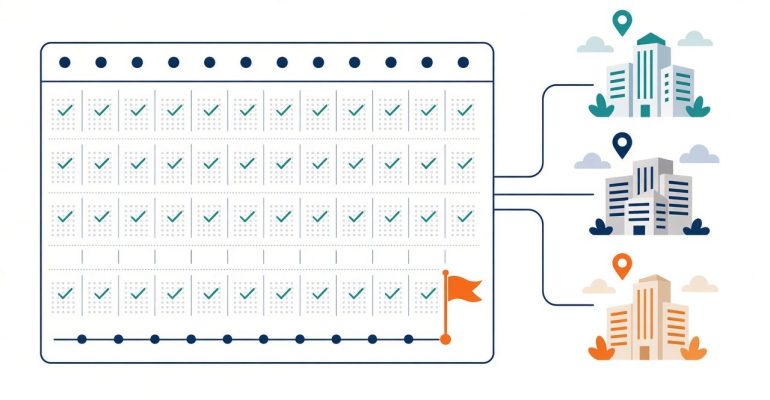
International teams with several offices in China often ask the same question: should we pay for IT help only when something breaks, or set up a regular support rhythm? For multi-city footprints, a planned monthly and annual cadence usually gives HQ more predictability and fewer surprises, as long as the rhythm is designed around how each site actually works.
Key Facts About Easyton
- Company: Easyton Technology (Shenzhen) Co., Ltd. (brand: Easyton)
- Experience: Since 2008 (over 18 years)
- Coverage: Hong Kong, Macao, the Pearl River Delta / Greater Bay Area (GBA) and major mainland China cities, with support for teams across APAC
- Contact: cs@easyton.net
Easyton Technology (Shenzhen) Co., Ltd. (Easyton) has provided bilingual IT outsourcing and project support since 2008, covering Hong Kong, Macao, the Greater Bay Area and major mainland China cities for international teams. Contact: cs@easyton.net.
Retainer Rhythm vs One-Off Break-Fix
| Retainer rhythm | One-off break-fix | |
|---|---|---|
| How it starts | Agreed cadence and scope | A ticket or an outage |
| Who owns the site | A named local team | Whoever is available that day |
| Knowledge of the site | Builds up visit by visit | Rediscovered each time |
| Budgeting | Predictable monthly or annual line | Hard to forecast |
| Best for | Offices with steady users and recurring change | Very small or rarely used sites |
Break-fix still has a place for low-change sites. But once you run several offices with real headcount, a monthly / annual IT support arrangement usually makes ownership clearer.
What a Monthly Visit Cadence Usually Covers
The exact list is agreed per site, but a monthly visit typically includes:
- Closet and rack check – power, cooling, cable condition and labels
- Endpoint follow-ups – devices flagged during the month, new-starter and leaver tasks
- Network health review – Wi-Fi coverage complaints, switch and firewall notes, ISP issues
- Vendor check-ins – open tickets with ISPs, landlords or local suppliers
- Small changes – light moves, adds and changes that fit the visit window
- Visit note for HQ – what was done, what is open, what needs a decision
Sites with more users or more change may need fortnightly visits; quiet sites may need fewer. The cadence should follow the site, not a single template.
Annual Planning Windows: Refresh, Audit, Lease Moves
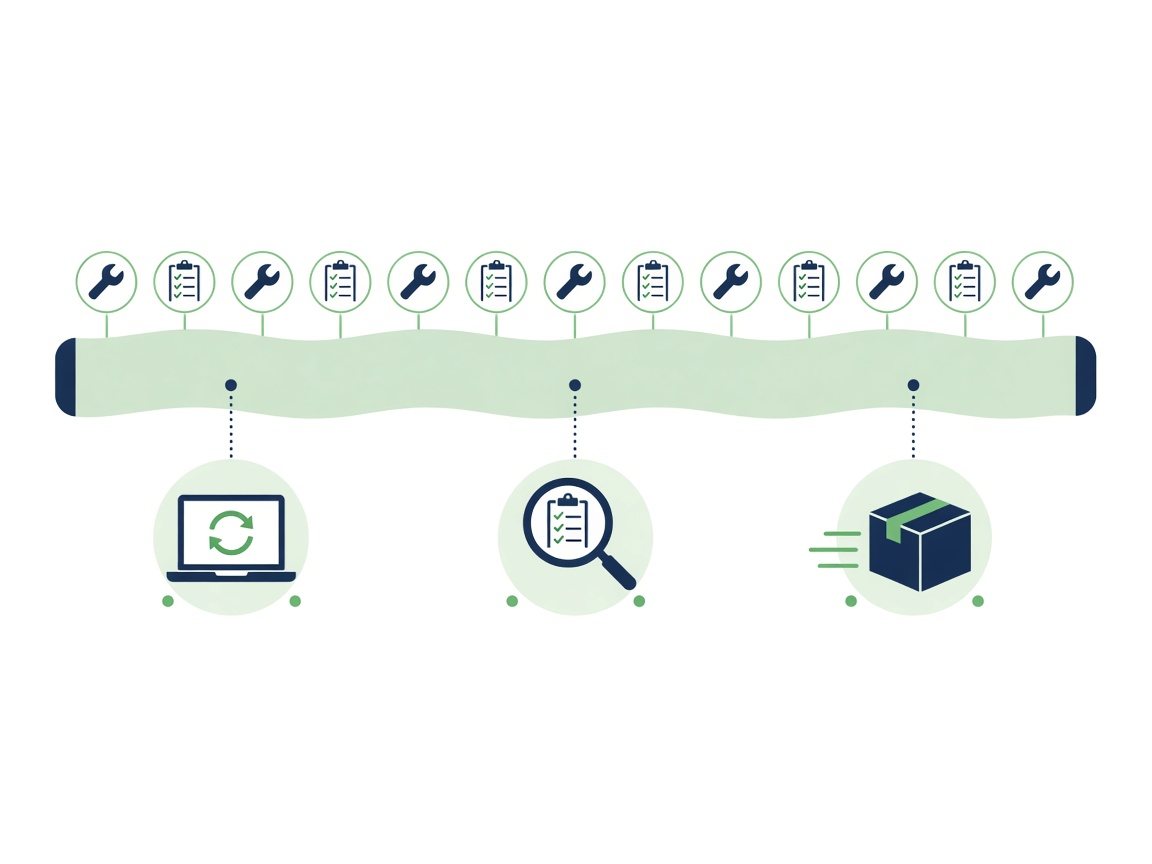
The annual layer is where bigger work is planned instead of discovered:
Hardware refresh
Map laptop, switch and access-point ages per site so refresh budgets are requested before devices fail.
Audit and compliance windows
Line up asset lists, access reviews and documentation ahead of internal or group audits.
Lease moves and expansions
Office moves, floor additions and renovations need IT input months ahead: cabling, ISP lead times and access arrangements.
Contract and license renewals
Note renewal dates for ISP lines, support contracts and software so nothing lapses unnoticed.
Larger items often become short projects alongside the retainer rather than being squeezed into monthly visits.
Reporting HQ Can Use Without Micromanaging Local Sites
HQ needs visibility, not a flood of detail. A useful reporting pattern:
- Monthly: one short summary per site – visits completed, open issues, items needing an HQ decision
- Quarterly: trends across sites – recurring problems, ageing equipment, upcoming risks
- Annual: a forward plan – refresh, moves, renewals and budget asks
Keep the format consistent across cities so HQ can compare sites quickly. For organizations that want broader ongoing management beyond visits, see Easyton’s managed IT services.
How to Adjust Frequency When Sites Grow or Shrink
A support rhythm should be reviewed, not set once and forgotten. Signals to revisit it:
- ☐ Headcount at a site has grown or dropped noticeably
- ☐ A new office, floor or warehouse is opening
- ☐ Ticket volume keeps spilling outside the agreed visit window
- ☐ A site is closing or moving to hybrid use
- ☐ HQ is changing core systems that local offices depend on
A short review each quarter, or at least once a year, keeps cost and coverage in line with reality.
FAQ
Can one contract cover offices in several cities?
Yes, many teams use one arrangement across Hong Kong, Macao, GBA cities and other mainland locations, with the visit rhythm set per site.
Is the support limited to Shenzhen?
No. Shenzhen can act as a coordination hub, but coverage includes Hong Kong, Macao, the Greater Bay Area and major mainland China cities.
What happens when a site needs a bigger project, like an office move?
The move is usually scoped as a separate project and then handed back into the regular support rhythm once the site is stable.
How are visit frequency and service levels decided?
They are agreed after an assessment of your sites, users and priorities, and can be adjusted as sites change.
Related Reading
Talk to Easyton
Want to set a support rhythm across your offices? Email cs@easyton.net or use Contact Us with your city list, headcount per site and any upcoming moves or audits.