
IT Talent Dispatch vs Retainer Support: Which Fit for China Sites
IT Talent Dispatch vs Retainer Support: Which Fit for China Sites
Teams running offices, plants or warehouses in China usually reach a point where remote support from HQ is not enough. The next question is how to add local capacity: place a dedicated IT person on site through talent dispatch, or share a local team through a retainer. Both work. The right choice depends on volume, duration and how much day-to-day control HQ wants.
Key Facts About Easyton
- Company: Easyton Technology (Shenzhen) Co., Ltd. (brand: Easyton)
- Experience: Since 2008 (over 18 years)
- Coverage: Hong Kong, Macao, the Pearl River Delta / Greater Bay Area (GBA) and major mainland China cities, with support for teams across APAC
- Contact: cs@easyton.net
Easyton Technology (Shenzhen) Co., Ltd. (Easyton) has provided bilingual IT outsourcing and project support since 2008, covering Hong Kong, Macao, the Greater Bay Area and major mainland China cities for international teams. Contact: cs@easyton.net.
Dispatch for Dedicated Hands, Retainer for Shared Cadence
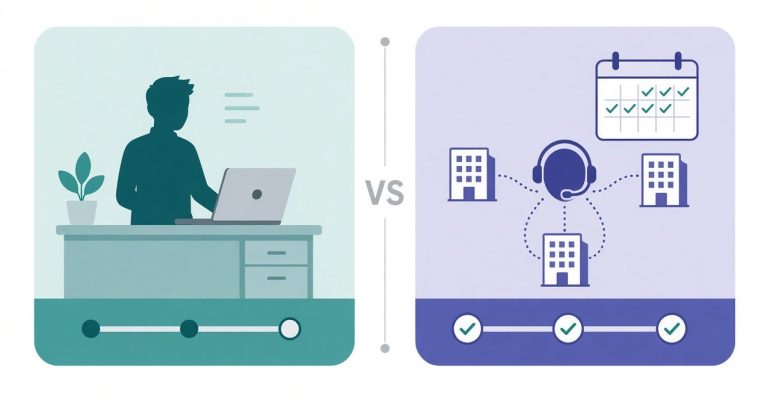
IT talent dispatch places one or more IT staff at your site for an agreed period and role. They work your hours, follow your processes and become part of the local team.
Retainer support gives you a shared local team on a monthly or annual cadence: scheduled visits, ticket handling and onsite help when needed, without a full-time seat.
In short:
- Dispatch = dedicated hands, daily presence, embedded in your workflow
- Retainer = shared cadence, planned visits, flexible capacity
Decision Table: Volume, Duration, and Language Needs
| Factor | Lean towards dispatch | Lean towards retainer |
|---|---|---|
| Ticket volume | High and daily | Moderate or bursty |
| Duration | Months, or a defined long project | Ongoing, year-round |
| Presence needed | Someone on site most working days | Planned visits plus on-call help |
| Language | Daily bilingual liaison between HQ and local staff | Bilingual summaries and coordination as needed |
| Site count | One large site or a major project location | Several smaller sites across cities |
| Process ownership | HQ wants direct daily direction | HQ prefers outcome-based coordination |
If most rows point one way, start there. If they split, a mixed model may fit better (see below).
How HQ Keeps Control When Local Staff Are Embedded
Embedded staff work best when expectations are written down from day one:
Set the operating rules
- Which HQ tools, ticket queues and escalation paths the dispatched person uses
- Who approves changes, purchases and access requests
- Working hours, overtime and holiday coverage rules
Keep visibility simple
- A short daily or weekly English update to the HQ owner
- Shared documentation in HQ’s own repository, not personal notes
- Regular review calls to adjust priorities
Plan for continuity
- Handover notes kept current, so absence or role change does not reset knowledge
- Clear backup arrangements for leave and peak periods
Mixing Both Models Across a Fiscal Year
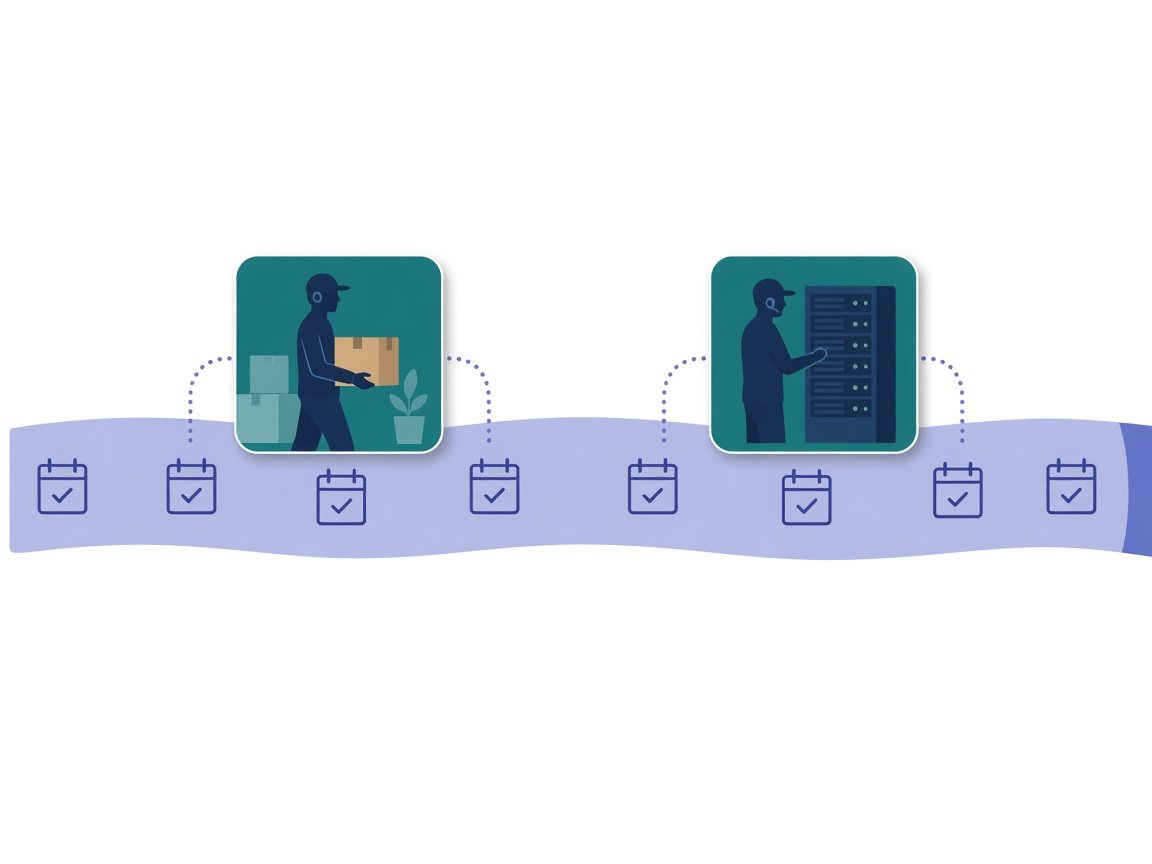
Many organizations use both. A common pattern:
- Retainer as the baseline – covers business-as-usual across sites all year.
- Dispatch for peaks – an office move, ERP or network rollout, or a new site opening.
- Back to baseline – dispatched capacity ends on a written date and the site returns to retainer cover.
Setting the end date and handover at the start prevents a temporary role from quietly becoming permanent without anyone deciding it should. For a related example of onsite staffing during a build-out, see onsite IT engineers for office build-outs.
What to Bring to the First Scoping Call
- ☐ Sites and cities involved (Hong Kong, Macao, GBA, other mainland cities)
- ☐ Current ticket volume and the main types of requests
- ☐ Whether you need daily presence or planned visits
- ☐ Skills needed (for example, end-user support, network, onsite project coordination)
- ☐ Languages HQ and local teams use
- ☐ Start date, expected duration and any hard deadlines
- ☐ How HQ wants to receive updates
FAQ
Is talent dispatch the same as hiring permanent staff?
No. Dispatch covers agreed periods and roles. It suits peaks, projects and situations where you need daily presence without adding permanent local headcount.
Can we switch from dispatch to a retainer later?
Yes. A common path is dispatch during a busy period, then a retainer once the site settles. Plan the handover date early.
Can one retainer cover sites in different cities?
Yes. Visit rhythm and scope are set per site, and coverage spans Hong Kong, Macao, the Greater Bay Area and major mainland China cities.
How are service levels agreed?
Scope, presence and service levels are agreed per engagement after the scoping call.
Talk to Easyton
Not sure whether dispatch, retainer or a mix fits your China sites? Email cs@easyton.net or use Contact Us with your site list and expected workload.